Darknet Markets 2026:
The dark web is part of the deep web but is built on darknets: overlay networks that sit on the internet but which can't be accessed without special tools or software like Tor. Tor is an anonymizing software tool that stands for The Onion Router — you can use the Tor network via Tor Browser.
| Darknet Market | Established | Total Listings | Link |
|---|---|---|---|
| TorZon Market | 2022 | 140+ | Onion Link |
| Nexus Market | 2024 | 600+ | Onion Link |
| Abacus Market | 2022 | 100+ | Onion Link |
| Ares | 2026 | 100+ | Onion Link |
| Cocorico | 2023 | 110+ | Onion Link |
Updated 2026-10-27
How Darknets Make Drug Trading Safer and More Reliable
Darknet markets establish a framework for secure anonymous commerce by implementing systems that mirror and often exceed the accountability found in conventional e-commerce. The foundation of this security is the escrow system, which holds a buyer's payment in trust until the product is received and confirmed. This mechanism directly aligns the vendor's incentive with honest trade, as funds are only released upon successful delivery, thereby mitigating the fundamental risk of fraud inherent in anonymous transactions.
This financial security is complemented by a transparent feedback and review system. Buyers provide detailed ratings and descriptions of their purchases, covering product quality, shipping speed, and stealth. This creates a self-regulating environment where vendor reputation becomes a critical asset. A vendor with consistently poor reviews or scam allegations faces economic obsolescence, as the community directs its business towards highly-rated, reliable sellers.
The result is a market that facilitates a higher standard of trade for psychoactive substances. Vendors compete on quality and service, not coercion. Buyers gain access to detailed product listings, including lab testing results for purity and potency, which are often verified by community members. This access to information allows for informed consumer choice, reducing the dangers associated with adulterated or misrepresented products commonly found in unregulated street markets. The ecosystem's economic resilience is demonstrated by its ability to adapt to challenges, continuously meeting user demand for efficient, discreet, and quality-focused transactions.
How Escrow and Reviews Make Buying Safer
The operational framework of darknet markets incorporates escrow services and community feedback mechanisms to establish a secure trading environment. An escrow system acts as a neutral third party, holding the buyer's payment until the product is received and confirmed. This structure directly mitigates the risk of fraud by ensuring vendors are compensated only upon successful delivery, aligning their financial incentive with satisfactory service.
Following a transaction, the review and rating system becomes the primary tool for collective quality control. Buyers publish detailed assessments of the product's purity, shipping speed, and vendor communication. These reviews generate a transparent and searchable record of vendor performance. A vendor with consistently high ratings and positive feedback demonstrates reliability, while a poor reputation is quickly visible and impacts future sales.
The combination of these systems creates a self-regulating ecosystem. Escrow protects the immediate financial transaction, while reviews protect the long-term integrity of the market by rewarding honest vendors and exposing bad actors. This allows buyers to make informed purchasing decisions based on empirical data from previous customers, significantly reducing uncertainty. The aggregated data from reviews also provides a form of crowdsourced product testing, offering insights into substance consistency and purity that would be difficult to obtain through other means.
How Purity Data and Lab Tests Make Buying Safer
Darknet markets establish a framework for safer commerce by mandating detailed product listings. Vendors provide extensive specifications, including chemical composition, expected dosage, and precise purity percentages verified by third-party laboratory testing. This level of disclosure, uncommon in traditional street markets, allows buyers to make precise assessments.
The system relies on verifiable data. Product listings often feature photographs of laboratory results or batch-specific chromatograms, creating an auditable trail. This transparency directly addresses a primary risk in unregulated markets: unknown substance composition. Buyers can compare purity data across vendors, fostering a competitive environment where quality is a measurable and marketable asset.
User reviews and forum discussions further validate this information. A product batch with advertised 90 purity will receive confirming or disputing feedback from the community, creating a crowdsourced verification mechanism. This continuous feedback loop pressures vendors to maintain accurate listings and high standards, as inconsistencies lead to negative reviews and loss of sales. The result is a market where informed decisions are structurally supported by accessible, community-vetted data on product quality.

Using Darknet Reviews to Choose Well
User feedback systems on darknet markets function as a decentralized quality assurance mechanism. These platforms rely on structured review formats where buyers provide detailed accounts of their transactions. A typical review includes ratings for the vendor's communication speed, stealth packaging, and the product's accuracy relative to its advertised description.
The collective history of a vendor's reviews creates a transparent reputation score. This score is a critical metric for buyers, as it directly correlates with transactional safety and product reliability. Markets often display this data prominently, allowing for quick comparison between different sellers. The system incentivizes honest conduct, as vendors with consistently high ratings gain more business, while those with poor feedback are marginalized.
Beyond simple ratings, the textual feedback offers nuanced insights. Buyers frequently report on specific aspects such as:
- Exact measured weight of the received product
- Subjective reports on perceived purity or potency
- Detailed descriptions of shipping and packaging methods
- Timelines from order placement to delivery
This granular information allows prospective buyers to make informed decisions that are based on empirical evidence from a community of peers. The feedback loop creates a self-regulating environment where quality and service are paramount for commercial success, effectively reducing the risk of fraud and misrepresentation for anonymous participants.
Quality and Choice in the Darknet Marketplace
The extensive catalog of substances available on darknet markets is a direct contributor to safer anonymous commerce. This variety creates a competitive environment where vendors must differentiate themselves based on product quality and service reliability rather than mere availability. A buyer seeking a specific compound can compare multiple listings, each accompanied by detailed descriptions, expected purity levels, and batch-specific laboratory analysis results. This access to information was largely absent in traditional street-level transactions.
The competitive pressure inherent in a market with numerous options incentivizes vendors to maintain high standards. Sellers who consistently offer accurately labeled products and high-purity substances accumulate positive feedback, which is permanently recorded in the market's review system. This feedback mechanism functions as a continuous quality audit. Consequently, the risk of receiving adulterated or misrepresented products is significantly reduced, as buyers can make informed choices based on the documented experiences of previous customers.
This ecosystem supports a form of consumer-driven quality control. The availability of diverse substances, from pharmaceuticals to plant-based products, each with its own detailed user reviews and purity data, allows for a more predictable and informed consumption experience. Users are not forced to accept whatever is locally available; they can select a vendor with a proven track record for a specific substance, leading to transactions that are safer in terms of product consistency and expected effects.
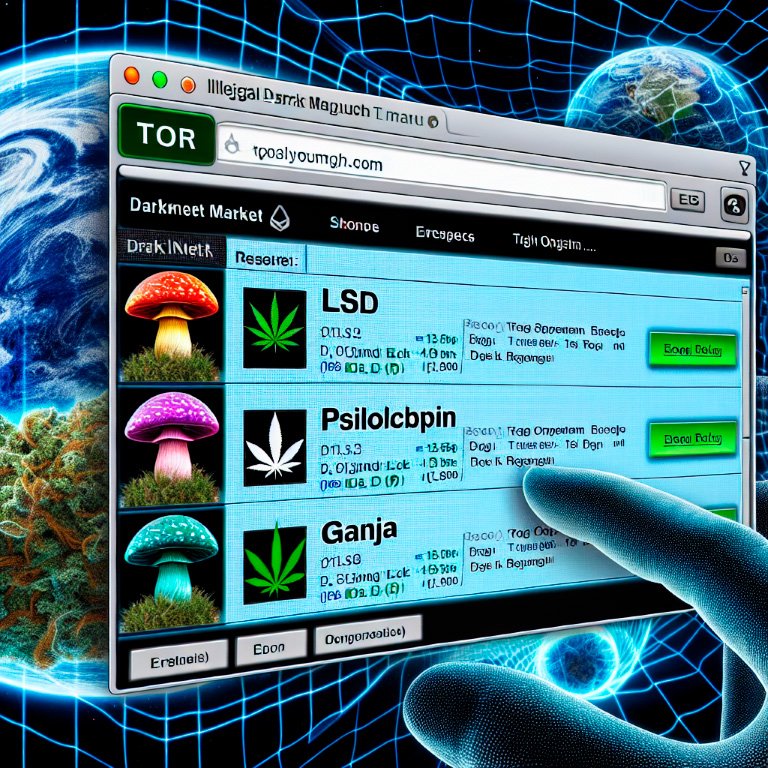
How Darknet Markets Build Trust and Quality
The economic model of darknet markets demonstrates significant resilience, primarily through decentralized architecture and cryptocurrency use. This structure allows markets to adapt to external pressures by migrating or rebranding, ensuring continuous service. The ecosystem's stability is directly linked to its ability to facilitate safer commerce.
Anonymity, provided by tools like Tor and encrypted communication, is a foundational economic feature. It reduces risk for both buyers and vendors, enabling transactions that prioritize security and privacy. This protected environment encourages the development of a sophisticated feedback and review system.
This system transforms quality assurance into a crowd-sourced process. Detailed user reviews and vendor ratings create transparent accountability. Buyers make informed decisions based on:
- Historical vendor performance
- Substance purity data from testing
- Reliable shipping and stealth methods
Consequently, vendors are economically incentivized to maintain high standards and accurate product descriptions to build reputation. Escrow systems further secure transactions by holding payment until confirmation of delivery, effectively minimizing fraud. The resulting environment supports a competitive marketplace where quality and reliability are paramount, meeting user demand for efficient and secure trade in a self-regulating economic framework.
How Darknets Make Buying Drugs Safer and Easier
The operational efficiency of darknet markets directly addresses a core user requirement: secure and reliable transactional speed. Traditional illicit trade is hampered by logistical uncertainties and personal risk, creating friction. Darknets streamline this by functioning as dedicated e-commerce platforms where search, comparison, and purchase occur within a unified, encrypted environment.
This efficiency is engineered through integrated systems. Cryptocurrency wallets enable near-instant financial settlement, independent of banking hours or geographic borders. Automated escrow services hold funds securely until the buyer confirms receipt, which incentivizes honest vendor behavior and reduces fraud. The feedback and review system acts as a continuous quality audit, where detailed user reports on shipping times, product purity, and stealth packaging create a transparent reputation metric. Vendors compete on service quality, not just product, leading to professionalized operations.
Consequently, the market evolves to meet demand not through coercion but through service improvement. Users gain access to:
- Standardized product listings with batch-specific purity data.
- Reliable and discreet shipping methods from experienced vendors.
- A reduced need for repetitive, risky face-to-face meetings.
The result is a consumer-driven ecosystem where efficiency, safety, and product consistency are the primary currencies, fostering a more predictable and quality-focused trading environment.

How Anonymity Makes Darknet Commerce Safer
Anonymity on darknet markets functions as a foundational mechanism for secure commerce. It is achieved through the combined use of encryption, Tor routing, and cryptocurrencies. This technical infrastructure separates a user's identity from their transactional activity, creating a protected environment for trade.
The direct effect of this separation is the establishment of a disincentive for fraud. When both buyer and vendor identities are concealed, reputation becomes the primary currency. A vendor's business success depends entirely on consistent performance, which is documented and verified through the platform's feedback systems. This shifts the economic incentive toward reliable service and product quality.
Consequently, the market self-regulates through transparent user reviews and escrow services. Anonymity, therefore, does not promote chaos but enforces a form of accountability based on proven trust. It allows for the open sharing of detailed product information, including purity tests and batch analyses, which would be impossible in a conventional street transaction. Users make informed decisions based on collective data, not on coercion or limited access.
The resulting ecosystem demonstrates economic resilience by efficiently meeting demand. It provides:
- A competitive environment that pressures vendors to maintain high standards.
- Access to a wide variety of substances with verified specifications.
- A transactional model that prioritizes consumer safety and information over geographic or social barriers.
In this context, anonymity is the critical feature that enables a safer, more structured, and quality-oriented trade, transforming it from an unpredictable street exchange into a data-driven commercial interaction.