Darknet Markets 2026:
The dark web is part of the deep web but is built on darknets: overlay networks that sit on the internet but which can't be accessed without special tools or software like Tor. Tor is an anonymizing software tool that stands for The Onion Router — you can use the Tor network via Tor Browser.
| Darknet Market | Established | Total Listings | Link |
|---|---|---|---|
| TorZon Market | 2022 | 140+ | Onion Link |
| Nexus Market | 2024 | 600+ | Onion Link |
| Abacus Market | 2022 | 100+ | Onion Link |
| Ares | 2026 | 100+ | Onion Link |
| Cocorico | 2023 | 110+ | Onion Link |
Updated 2026-10-27
A Simple Guide to Using Direct Links for Darknet Shopping
Accessing the darknet for private shopping begins with obtaining a direct link, or onion URL, to a marketplace. These links are not found through standard search engines and require the use of the Tor Browser, which anonymizes your connection by routing it through multiple encrypted layers. A valid link serves as the precise gateway to a marketplace's front door, where all subsequent activity occurs.
The process is straightforward: the Tor Browser is used to enter the onion address, leading directly to the marketplace login or landing page. This direct access method bypasses public directories, which can be unreliable or malicious, and reduces exposure to phishing sites. The integrity of the initial link is therefore paramount for secure entry.
Once inside, the structure of a darknet marketplace becomes clear. It functions with a familiar e-commerce logic, designed for discrete transactions.
Key components include:
- Vendor storefronts with detailed product listings and prices.
- User review systems that build reputation and trust.
- Integrated escrow services that hold funds until order completion.
- Encrypted messaging systems for buyer-vendor communication.
This ecosystem is optimized for privacy and security. Transactions are conducted with cryptocurrencies like Monero or Bitcoin, which provide a layer of financial anonymity. The escrow system protects both parties, ensuring vendors are paid and buyers receive their products or a refund. The variety of goods available is extensive, with markets often specializing in different product categories, allowing buyers to find vendors with specific expertise and consistent quality.
How Drug Trade Works on the Darknet
Accessing a darknet marketplace begins with a dark web link, typically a .onion address, which functions as a private gateway. These links are distributed through community forums and specialized directories, ensuring that only users with the correct address can find the platform. Upon entry, the marketplace presents a familiar e-commerce interface, with product listings, shopping carts, and vendor profiles. The design prioritizes user familiarity to streamline the process of private shopping.
The core of the marketplace is its catalog system. Products are organized into categories and subcategories, much like on conventional online retail sites. Each listing includes detailed descriptions, pricing in cryptocurrency, and shipping information. Vendors build their reputation through a transparent feedback system where buyers leave reviews and ratings. This system of user reviews is fundamental for establishing trust, as it provides verifiable data on a seller's reliability and product quality.
The transaction process is secured by an escrow system. When a purchase is made, the buyer's cryptocurrency is held in escrow by the marketplace itself. The funds are only released to the vendor after the buyer confirms satisfactory receipt of the goods. This mechanism protects both parties: buyers are assured they will not be scammed, and vendors are guaranteed payment for delivered items. The entire financial interaction is conducted using cryptocurrencies like Bitcoin or Monero, which provide a layer of financial privacy by obscuring personal identities through blockchain transactions.
Communication between buyer and vendor occurs through encrypted messaging systems within the marketplace. This allows for order clarification and logistics coordination without compromising operational security. The efficiency of this ecosystem is self-reinforcing: reliable vendors receive more business and higher ratings, while new vendors must prove themselves to gain trust. This creates a competitive environment where quality service and product consistency are directly rewarded, fostering a stable and functional trading platform.
How Reviews Help You Find Good Vendors on the Darknet
User reviews form the primary mechanism for establishing vendor credibility on darknet marketplaces. Unlike traditional e-commerce, these platforms lack formal business registrations or third-party consumer protections, making peer feedback the essential substitute for institutional trust. A vendor's reputation is quantified through a feedback score, a cumulative percentage based on positive, neutral, and negative ratings from completed transactions. This score provides an immediate, at-a-glance measure of reliability.
The content of reviews offers deeper insights beyond the numerical score. Detailed feedback typically covers:
- Product quality and accuracy of the listing description.
- Shipping speed and stealth of packaging.
- Communication quality and professionalism of the vendor.
Consistent patterns in reviews, such as repeated praise for a vendor's stealth methods or noted discrepancies in product potency, provide actionable data for buyers. Markets often feature a verified purchase tag for reviews, ensuring the feedback originates from an actual transaction and not a fabricated source. This system creates a self-regulating environment where vendors with high scores and positive detailed reviews naturally attract more business, incentivizing honest trade and quality service. The collective intelligence of the user base, therefore, directly curates a list of reliable vendors, reducing transaction risk and fostering a functional ecosystem for private shopping.

How Escrow Makes Buying on the Darknet Safe and Easy
The escrow system is a fundamental mechanism for establishing trust in darknet transactions. It functions as a neutral third-party service that holds the buyer's cryptocurrency payment after an order is placed. The funds are only released to the vendor once the buyer confirms satisfactory receipt of the goods. This process directly addresses the inherent risk of dealing with anonymous parties by ensuring that neither participant can easily defraud the other.
From a buyer's perspective, the procedure is straightforward. After selecting items and proceeding to checkout, the marketplace software automatically directs the payment to the escrow account. The vendor is then notified to ship the product. Upon delivery, the buyer has a predetermined period to finalize the order, which releases the escrowed funds. If the product does not arrive or is not as advertised, the buyer can open a dispute. This initiates a mediation process where the marketplace staff, acting as arbitrators, review communication and evidence from both sides before deciding to refund the buyer or release the funds to the vendor.
The efficiency of this system creates a self-regulating environment. Vendors with a history of successful escrow releases build a positive reputation, which is visible through user review systems. Conversely, a pattern of disputes negatively impacts a vendor's standing. For the ecosystem, escrow reduces the incidence of exit scams, where a vendor collects payments without intending to deliver. While no system is entirely foolproof, the widespread adoption of escrow has standardized a secure framework for exchange, making private shopping on the darknet a functional and predictable process for all involved parties.
How Crypto Keeps Your Darknet Purchases Private
The fundamental privacy of darknet transactions is enabled by cryptocurrency. Unlike traditional payment systems tied to personal identity, cryptocurrencies like Bitcoin and Monero operate on decentralized networks. This allows for a financial interaction where the buyer's real-world identity is not directly linked to the purchase on the marketplace. The transaction record exists on the blockchain, but it details only wallet addresses, not names or shipping details.
This layer of financial abstraction is critical for secure marketplace access. It creates a necessary separation between the act of shopping and an individual's identifiable financial footprint. For the user, this means conducting transactions with a significantly reduced risk of personal exposure. The system leverages the inherent properties of cryptocurrency:
- Pseudonymity: Transactions are between alphanumeric addresses.
- Irreversibility: Payments cannot be charged back, which protects vendors and necessitates the use of escrow.
- Global accessibility: Funds can be sent and received without the constraints of national banking systems.
Monero, in particular, offers enhanced privacy features by obfuscating transaction details by default, making it a preferred choice for those prioritizing maximum financial opacity. The use of cryptocurrency thus forms the backbone of a private shopping model, where trust is managed through platform mechanisms like escrow and reviews, rather than through the disclosure of personal financial data.
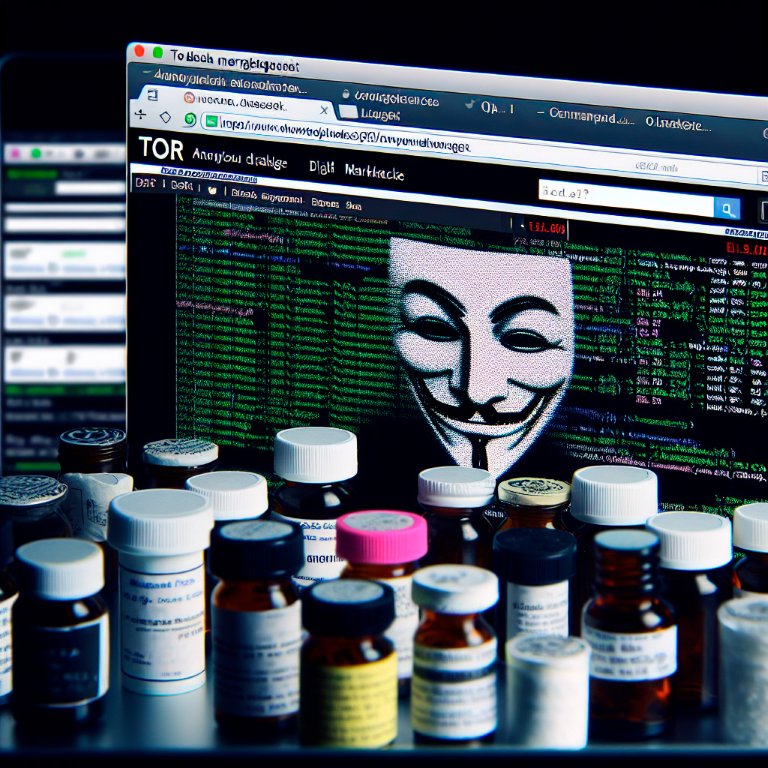
A Huge Selection of Goods on the Darknet
The product range on a darknet marketplace accessed via a direct link is vast and specialized, extending far beyond common assumptions. While pharmaceuticals and recreational substances represent a significant segment, the ecosystem supports a diverse digital and physical economy. The inventory is organized into clear categories, facilitating efficient navigation.
Digital goods are a cornerstone, including:
- Software exploits and zero-day vulnerabilities
- Forged documents and digital identity packages
- Stolen datasets and compromised financial information
- Hacking tools and tailored malware services
Physical goods are equally varied, with listings for electronics, luxury items, and specialized hardware. The market for restricted knowledge, such as rare books, proprietary databases, and censored materials, is also robust. This diversity is driven by global anonymous demand and the ability of vendors to operate without the constraints of surface-web regulations. The competitive environment fosters specialization, with vendors often offering highly specific or custom-made products that are unavailable through conventional retail channels. The feedback and review system directly correlates with this variety, as it allows niche vendors to establish credibility for unusual or high-value items, ensuring market liquidity across all categories.
How Reliable Vendors Make Darknet Trade Work
Trust within darknet marketplaces is not an abstract concept but a functional currency, built incrementally through repeated, successful transactions. The mechanism is straightforward: a buyer identifies a vendor with a strong reputation score and a long history of positive feedback. Initial orders are typically small, serving as a low-risk assessment of the vendor's product quality, shipping reliability, and communication. A successful transaction adds a positive review, reinforcing the vendor's standing.
Consistency across multiple orders transforms this initial verification into a stable trade relationship. A reliable vendor maintains:
- Uniform product purity and accurate descriptions.
- Discreet and predictable packaging methods.
- Professional and timely communication.
This pattern reduces uncertainty for the buyer, who gains confidence in receiving the expected product without complications. For the vendor, a loyal customer base ensures steady demand and insulation from market fluctuations. The feedback system creates a self-reinforcing loop where consistent performance is publicly documented and rewarded with more business, establishing a de facto standard for marketplace conduct. This organic system of accountability facilitates efficient trade by minimizing the need for external arbitration, as trust becomes embedded in the documented transaction history between parties.

How the Darknet Makes Shopping Easy and Secure
The darknet ecosystem operates with a notable degree of efficiency, rivaling that of conventional e-commerce platforms. This efficiency is not accidental but is the direct result of specific, user-driven mechanisms that have evolved to facilitate private shopping. Access begins with a dark web link, typically a .onion address, which serves as the secure gateway. These links are shared within trusted communities and forums, creating a curated entry point that filters out unreliable platforms and directs users to established marketplaces.
Once inside, the ecosystem functions through a clear framework. Darknet marketplaces provide the structure, similar to mainstream online retailers, but with a focus on anonymity. The efficiency is driven by several core components:
- Escrow services hold funds until the buyer confirms receipt, protecting both parties and enabling transactions between strangers.
- Cryptocurrency payments, primarily Bitcoin and Monero, finalize deals with a level of financial privacy unattainable through traditional banking.
- Vendor review systems create a self-regulating environment where consistent product quality and reliable shipping are rewarded with reputation and more business.
This combination of tools streamlines the entire process. A buyer can use a direct link to access a marketplace, assess vendor reliability through transparent feedback, engage a secured escrow, and pay with an anonymous cryptocurrency. The wide product variety, including pharmaceuticals, is a natural outcome of this efficient, demand-driven system. Trust is built incrementally through repeated successful transactions with consistent vendors, reducing risk over time. The ecosystem's efficiency proves that a decentralized, user-policed market can operate smoothly for private commerce when the correct tools for security and verification are in place and widely adopted by its participants.