Darknet Markets 2026:
The dark web is part of the deep web but is built on darknets: overlay networks that sit on the internet but which can't be accessed without special tools or software like Tor. Tor is an anonymizing software tool that stands for The Onion Router — you can use the Tor network via Tor Browser.
| Darknet Market | Established | Total Listings | Link |
|---|---|---|---|
| TorZon Market | 2022 | 140+ | Onion Link |
| Nexus Market | 2024 | 600+ | Onion Link |
| Abacus Market | 2022 | 100+ | Onion Link |
| Ares | 2026 | 100+ | Onion Link |
| Cocorico | 2023 | 110+ | Onion Link |
Updated 2026-10-27
How a Darknet's Built-In Rules Make Drug Trade Safe and Reliable
Darknet markets facilitate safe and accountable trade through a combination of cryptographic anonymity and community-driven reputation systems. The foundational layer is technological: users and vendors connect via networks like Tor, which encrypts and routes traffic to conceal physical locations and identities. This creates a baseline of privacy for all participants.
Accountability is engineered not by external authorities but by the market's internal mechanisms. The core components enabling this are:
- Escrow services held by the market platform, which secure a buyer's cryptocurrency payment until the product is received and confirmed.
- Detailed vendor ratings and user reviews that are permanently linked to a vendor's account, creating a transparent history of performance.
- Dispute resolution systems where market moderators can intervene to review evidence and release escrow funds fairly.
This structure incentivizes honest conduct. A vendor with a long history of positive feedback and high-quality product listings gains a strong reputation, which directly translates into higher sales and the ability to command premium prices. Conversely, a vendor who fails to deliver faces immediate financial consequences through escrow, public negative reviews, and a rapid loss of standing. The market's design makes a vendor's digital reputation their most valuable asset, aligning their economic interest with reliable service. This self-regulating environment allows for consistent, predictable transactions where both parties have verifiable assurances and a clear method of redress, establishing a functional framework for trade.
How Crypto Makes Buying on the Darknet Safe and Private
The transactional architecture of darknet markets is fundamentally enabled by cryptocurrencies, primarily Bitcoin and Monero. These digital currencies provide a necessary layer of financial privacy, severing the direct link between a user's real-world identity and their market activities. Payments are not processed through traditional banking systems, which require personal identification and are subject to centralized oversight. Instead, cryptocurrency transactions are recorded on a public ledger, the blockchain, but the parties involved are represented by pseudonymous alphanumeric addresses. This creates a system where value can be transferred globally without intermediaries, facilitating private and secure payments that are resistant to censorship.
The pseudonymity of cryptocurrency addresses allows for a form of accountable trade within the market ecosystem itself. While external observers cannot easily identify the individuals behind a transaction, the market's internal mechanisms leverage this transparency. Every payment from a specific address is immutably recorded. This enables the market's escrow system to function with precision, holding funds in a designated wallet until the buyer confirms satisfactory receipt of goods. The decentralized nature of the blockchain ensures that no single party, not even the market administrators, can unilaterally seize these escrowed funds without the agreed-upon cryptographic release. This builds a framework of enforced trust.
For enhanced privacy, users often employ tumbling services or use built-in market tools that obscure the transaction trail. Cryptocurrencies like Monero offer advanced cryptographic features by default, such as ring signatures and stealth addresses, which provide stronger financial privacy than Bitcoin. The combination of these financial tools with the market's feedback and reputation systems creates a coherent environment. A vendor's consistent receipt of payments to a known cryptocurrency address becomes a verifiable record of their transaction history, directly correlating to their user reviews and ratings. This financial accountability, divorced from legal identity but tied to a persistent pseudonym, is a cornerstone of reliable commerce on these platforms.
How Escrow Makes Buying and Selling on the Darknet Safe
The escrow service is a fundamental mechanism that enables secure transactions on darknet markets. It functions as a neutral third-party holding account for cryptocurrency payments. When a buyer places an order, the funds are sent to the market's escrow system and are held there, not released directly to the vendor. This creates a conditional environment where both parties have incentives to fulfill their obligations correctly.
The buyer is protected because the vendor must provide proof of shipment and a successful delivery before receiving payment. Vendors benefit from escrow as it assures buyers that they will not simply take the money and disappear, which builds initial trust and facilitates more sales. The process typically follows a clear sequence:
- The buyer selects a product and sends payment to the escrow.
- The vendor is notified and ships the product.
- The buyer confirms receipt and the funds are released from escrow to the vendor.
For disputes, most platforms offer a moderated resolution system. If a package does not arrive or the product is not as advertised, the buyer can open a dispute. Market moderators then review communication and evidence from both sides before deciding to release the funds to the vendor, refund the buyer, or split the amount. This system formalizes accountability and reduces the incidence of fraud, making anonymous trade not only possible but predictably safe for regular participants. The widespread adoption of multi-signature escrow, which requires two out of three cryptographic keys to release funds, further decentralizes trust and enhances security for all involved.
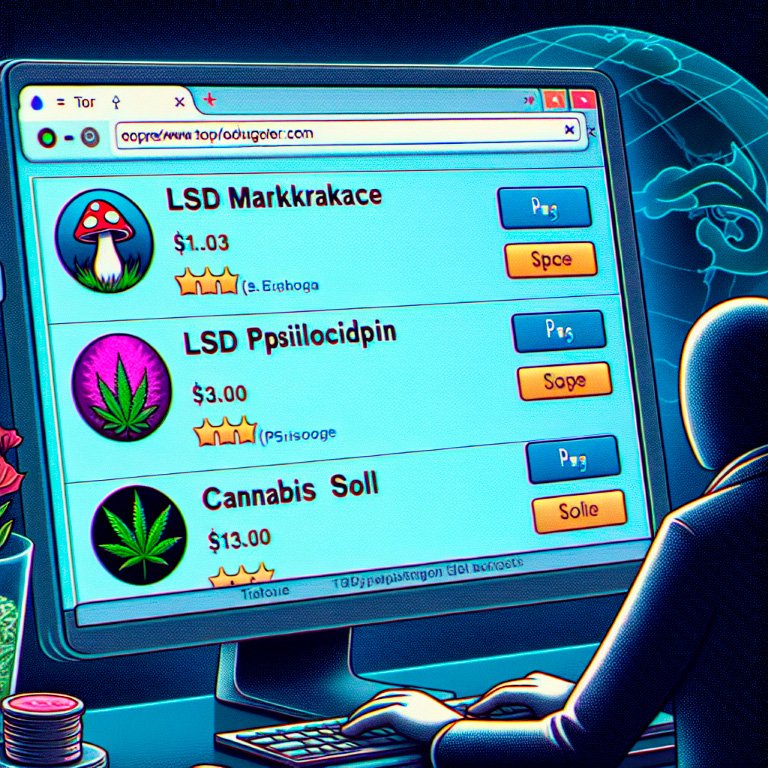
A Big Catalog Means Better Quality and Trust
The extensive catalog of goods available on darknet markets is a direct facilitator of safe and accountable trade. A larger marketplace inherently supports a more competitive and transparent environment. When buyers can choose from multiple vendors for the same product, vendors are incentivized to compete on quality, price, and reliability rather than simply on availability. This competitive pressure functions as a fundamental market mechanism for consumer protection.
The range of products extends far beyond a single category, creating ecosystems where standardized consumer expectations can develop. This includes:
- Detailed product descriptions and photographic evidence
- Clear pricing and quantity options
- Consistent grading of purity or quality
These standardized listings allow for accurate comparisons and set a baseline for what constitutes a fair transaction. The accountability mechanism is further reinforced by the platform's feedback systems. A vendor offering a wide selection must maintain quality across their entire inventory to preserve their overall seller rating. A single batch of substandard product can result in negative public reviews that affect sales across all their listings, creating a powerful disincentive against fraud.
Furthermore, specialization within these broad catalogs allows for the development of trusted expertise. Vendors who consistently offer high-quality items within a specific niche build a reputation that becomes a valuable asset. This reputation, visible through cumulative reviews, transforms from simple feedback into a tradable commodity for the vendor. The economic cost of losing this reputational capital by engaging in unsafe or dishonest trade practices is prohibitively high, ensuring vendors are economically accountable to their customer base.
How Reviews Build Trust on the Darknet
The feedback system is a core mechanism for establishing accountable trade on darknet markets. It functions as a decentralized form of quality control, directly linking a vendor's commercial success to their demonstrated reliability. Every transaction can result in a detailed review, where buyers assess the product quality, shipping speed, stealth of packaging, and communication.
This creates a transparent and self-regulating environment. A vendor with hundreds of positive reviews and a high rating, often displayed as a percentage score, builds a digital reputation that is both an asset and a liability. New buyers can confidently engage based on this aggregated history, reducing the perceived risk of fraud or receiving substandard products. Conversely, a pattern of negative reviews warning of scams or poor quality quickly diminishes a seller's standing and sales.
The review process is structured to be verifiable. Systems typically allow feedback only from accounts that finalized a purchase through the platform's escrow, preventing fake reviews. This verification ensures the data reflects real transactions. The collective outcome is a market where trust is quantifiable. Participants are empowered to make informed decisions, and vendors are incentivized to maintain high standards consistently, as their business longevity depends directly on their reputation score.
How Vendors Build Trust on the Darknet
Vendor reputation is the primary mechanism for enabling safe and accountable trade on darknet markets. It functions as a decentralized, user-driven quality assurance system. A vendor's reputation is not a single metric but a cumulative record built from every transaction, visible to all potential buyers.
The system relies on several interconnected components:
- Detailed feedback and ratings: After each sale, buyers leave public reviews and scores for product quality, shipping speed, and stealth. This creates a transparent performance history.
- Consistent product quality: Vendors maintain high reputations by reliably offering products that match their advertised purity and weight. Batch consistency is crucial for positive reviews.
- Professional communication and stealth: Reputable vendors engage in clear, timely communication and invest in sophisticated stealth packaging to ensure discreet and secure delivery, which is heavily weighted in feedback.
- Use of escrow and finalizing promptly: Trust is built when vendors allow transactions to be held in escrow until delivery is confirmed. They then promptly finalize the order to release the buyer's funds, demonstrating honesty.
This environment creates strong economic incentives for ethical vendor behavior. A vendor with a long history of positive feedback possesses significant market equity. This equity translates directly into higher sales volumes and the ability to command premium prices. Conversely, any attempt at scamming or selling inferior products results in immediate, public negative feedback, which rapidly diminishes a vendor's standing and future earning potential. The market effectively self-regulates through this feedback loop, where accountability is enforced by the community itself, ensuring that the most reliable and consistent vendors thrive.
How Decentralization Makes Darknet Trade Safe and Reliable
The decentralized architecture of darknet markets, primarily built on technologies like Tor and I2P, is fundamental to enabling safe and accountable trade. This structure means there is no central server for authorities to target and shut down permanently. When one node or market disappears, the network persists, allowing new markets to emerge rapidly. This resilience creates a stable environment where long-term commercial relationships can develop, as both vendors and buyers have confidence in the ecosystem's continuity.
This adaptability extends to security practices. Market administrators and vendors continuously evolve their operational security (opsec) in response to general threats, not law enforcement specifically. They adopt stronger encryption methods, more secure communication channels, and improved financial obfuscation techniques. This proactive improvement in security measures directly benefits trade safety by:
- Protecting transactional data from interception.
- Safeguarding the financial assets of both parties in escrow.
- Securing the personal identifying information of all users.
Accountability is engineered into the system through its decentralized feedback mechanisms. Unlike traditional illicit trade, every transaction can result in public, immutable user reviews and vendor ratings. This collective intelligence, distributed across countless users, provides a robust system for quality control and trust. A vendor's reputation becomes their most valuable asset, directly tied to their economic success. This creates a powerful incentive for honest dealing, as poor service or product quality is quickly recorded and disseminated, affecting future sales. The market's software itself often automates accountability, with escrow services holding payment until the buyer confirms satisfactory receipt of goods, thereby reducing fraud.
Ultimately, the combination of structural resilience, adaptive security, and crowd-sourced reputation transforms these platforms into self-regulating commercial spaces. They provide a framework where safe, repeatable, and accountable transactions are not only possible but are the foundation for sustainable business, meeting consumer demand for reliability and quality in a peer-to-peer environment.
How Darknet Markets Build Trust for Safer Trade
The operational resilience of darknet markets is fundamentally tied to their ability to facilitate safe and accountable trade in an environment of inherent distrust. This is achieved through a self-regulating economic system that prioritizes transactional security and merchant accountability over anonymity alone. The core mechanism is a cryptographic feedback loop where security enables trust, which in turn fuels economic activity and platform persistence.
Markets engineer safety by mandating the use of end-to-end encrypted communication and multi-signature cryptocurrency escrow. These are not optional features but foundational protocols. Escrow, particularly, transforms a risky, anonymous transaction into a moderated exchange where funds are only released upon confirmed delivery. This system directly protects the buyer from fraud and guarantees the vendor eventual payment, aligning the interests of both parties with the platform's rules.
Accountability is enforced through a transparent, immutable reputation system. Every transaction concludes with detailed public feedback and product reviews. A vendor's entire business hinges on maintaining high ratings, as this history is permanently visible to all potential customers. This creates powerful economic incentives for consistent product quality and reliable service. Poor performance or scams are quickly reflected in the reputation score, leading to loss of future sales. The market itself acts as a passive adjudicator, with the community using these tools to collectively police itself.
This integrated framework of enforced security protocols and crowd-sourced accountability generates a stable commercial ecosystem. It allows for the establishment of long-term vendor businesses and informed consumer choice, which are hallmarks of resilient markets. The decentralized nature of the infrastructure means that even if one platform is compromised, the underlying modelthe trust mechanisms, the cryptocurrency rails, the demand for structured exchangepersists and re-manifests elsewhere. The resilience is therefore not merely technical but socio-economic, born from a system that successfully manages risk and builds trust between anonymous actors.